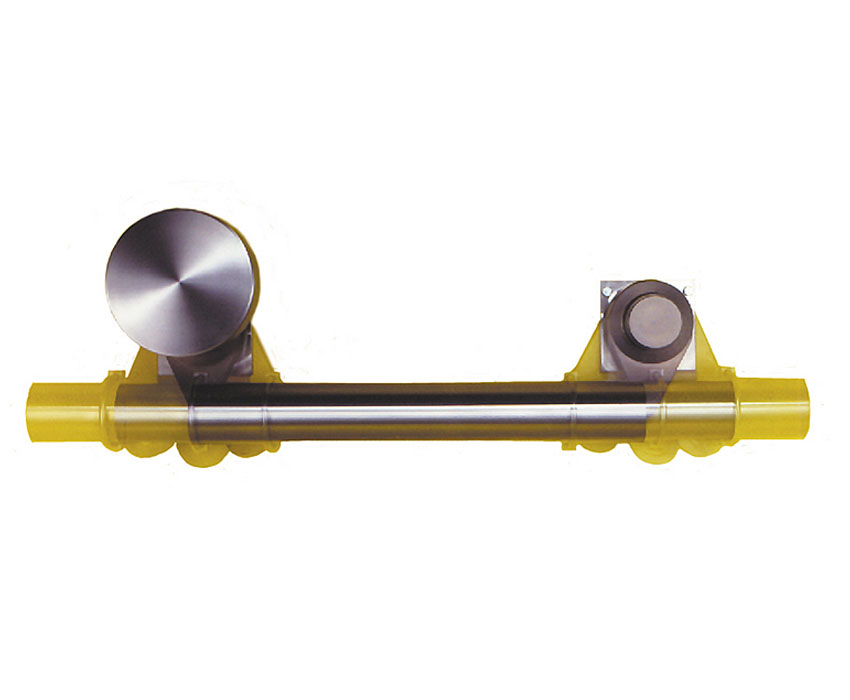
EMO III™ Oscillator Test Panel
The EMO III oscillator test panel is a diagnostic tool designed to support efficient field service and troubleshooting of EMO III oscillators.
The compact EMO III oscillator test panel is built to closely replicate the functionality of the standard EMO III oscillator control panel. It allows the testing and verification of oscillator performance without connecting to the machine control system. Designed for test use only, the panel provides a practical solution for identifying wiring issues, validating functionality, and overcoming challenges related to control board power availability in the field. This leads to faster diagnostics, reduced downtime, and more efficient service support.
Features
-
Portable, lightweight design with a protective case
-
24 VDC battery operated or 120 VAC (standard outlet) switch selectable
-
Purpose-built test configuration
Benefits
-
Faster onsite troubleshooting
-
Reduced oscillator downtime
-
Improved service efficiency
-
Identification of field wiring issues
-
Control board power verification
FAQ
No. The test panel is designed specifically for testing and troubleshooting purposes. It is not intended to replace the standard EMO III control panel during normal machine operation.
Yes. The EMO III oscillator test panel can be used on a workbench or directly on the machine to verify oscillator functionality. This allows technicians to evaluate equipment before installation or after removal, helping streamline maintenance and repair activities.
Yes. The test panel can operate using either a standard 120 VAC outlet or a 24 VDC battery power source. Battery operation allows technicians to troubleshoot oscillators in areas where access to safe AC power may be limited.
The EMO III oscillator test panel is a portable diagnostic tool designed to test and verify the operation of EMO III oscillators in the field or on a workbench. It replicates the functionality of the standard control panel, allowing technicians to troubleshoot oscillator issues without connecting to the machine control system.
The test panel can help identify oscillator faults, wiring issues, control panel problems, and power-related concerns. It allows technicians to quickly determine whether the oscillator is functioning correctly or if another component is causing the problem.